Career Advices
How To Write A Resume
WRITING YOUR RESUME SHOULD BEGIN WITH YOUR DETAILS:You can’t get that job you’ve been seeking without a resume that gets noticed. Learn how to write a resume to get you in the door for a job interview.
Name, Address, Telephone Number and E-mail Address (Optional)
Begin your resume with your real name (not nickname) and a permanent address. Include the area code with your phone number. If you are not at home during the day, make sure an answering machine or voicemail is available for messages.
YOU SHOULD THEN INCLUDE THE FOLLOWING:
Objective
This is the focal point of your resume – the position you are seeking in specific terms. Your objective should be simple yet directly related to your qualifications and accomplishments.
Education
List your most recent educational experience first. Be sure to include your degree (AS, BA, BS, etc.), major, institution attended, graduation date, minors/concentrations and any other major course work or projects. Special awards and commendations should be noted.

Work Experience
Always include the title of your position, name of organisation, location (town, state) and dates of employment. Describe your work experience and responsibilities using strong action words. Volunteer work, internships and student teaching should be listed here.
Additional Information
This is the place for extra information that doesn’t fit into other categories, such as special interests, computer knowledge and activities. Multilingual and medically trained people should list their experience here.
References
When resume writing, you may wish to include on your resume: “References available upon request.” Always ask for permission before listing someone as a reference. List three people, including name, title, employer, address, and business and home telephone numbers.
How To Write A Cover Letter
WHAT IS A COVER LETTER?
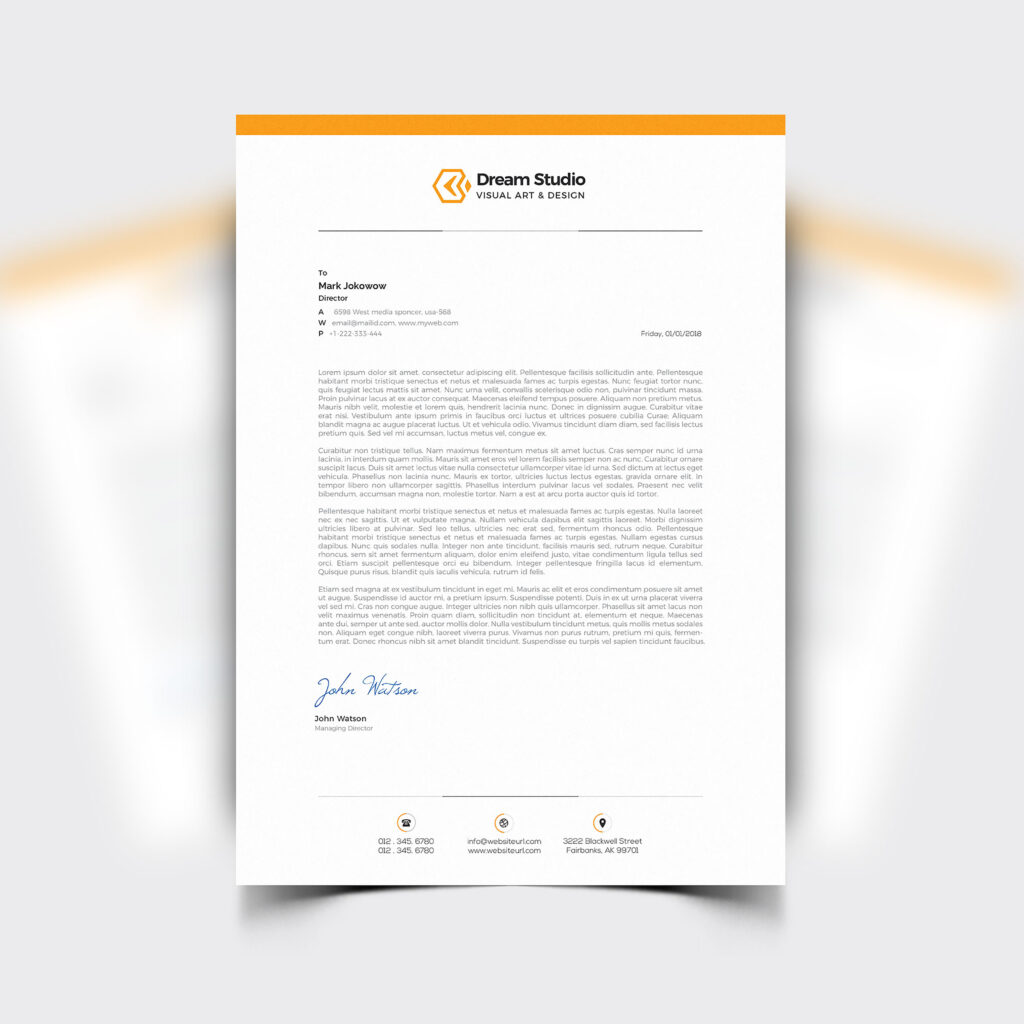
A cover letter is a letter of introduction that highlights your key accomplishments and qualifications for a job opening. A cover letter adds focus to your résumé and should leave the reader with an understanding of the type of position that you are seeking.Unlike your resume, your cover letter is an opportunity to reveal why you are passionate about the position, and should be used to convey pertinent information not captured in a traditional resume format. Even though much of the job application process is now online, few employers seriously consider a resume that is not accompanied by a cover letter. Don’t treat the cover letter as an afterthought in the application process—make the time investment so that you increase your chances of receiving the coveted interview invitation.

Tailor each cover letter to the position and employer.
Be brief. Get to the point quickly. If it looks like a long read, it will likely be discarded.
Identify yourself, leveraging any connection points you may have with the company or reader.
Sell yourself! Show your passion and demonstrate your communication skills. Focus on your fit for the position and company, highlighting your 3 major accomplishments.
Explain unique circumstances such as employment gaps, career changes, relocations, or re- introduction into the job market.
New
Include your LinkedIn profile and relevant website links as well as your reason for including them in your cover letter, but don’t overdo it.
End the letter by requesting an interview or meeting.
COVER LETTER FORMAT
Use the following template to help you write an effective cover letter introduction, main body, and closing.
Your name
Telephone number(s)
Mailing address
Email address
City, State, and Postcode
LinkedIn profile
Today’s date
Organisation name
Addressee’s name
Dear (First name) (last name),
Professional title
Introduction
Begin with a statement that establishes a connection with your reader, such as a headline or a probing question. Briefly state what job you are applying for.

Main body
The body should be one to two short paragraphs that make relevant points about your qualifications. Do not summarize your resume! Choose some qualifications that really target the position you are interested in, but fight the tendency to oversell at this point. Demonstrate your passion and quickly share any additional information about yourself that could be relevant to the position.
Closing
Your closing should initiate action by explaining what you will do next (e.g., call the employer) or motivate the reader to contact you to set up an interview. Always close by showing appreciation.
Sincerely yours,
Your signature (handwritten)
Your name (typed)
Enclosure: Resume
Good luck!
How To Write A Resignation Letter
The purpose of a resignation letter is to advise your employer of your intention to resign from your current position within the company.
Your resignation letter should be kept brief but should at least include the following:
- The name of the person you are addressing it to
- An explanation for your resignation
- The effective date of your resignation
- The date of your last day of work
- Your name and signature

You will need to check your company policy or your employment contract to find out how many weeks notice you need to give upon resignation. Some companies will terminate an employee immediately, so be prepared for this.
You should also consider including a positive statement about your employer and perhaps even thank them for the opportunities they gave you or wish them well for the future. Whatever your reasons for resigning, you want to leave on good terms. It is important to remain professional as your resignation letter will be kept on file and could be accessed for future reference.
RESIGNATION LETTER TEMPLATE
Use the following template to help you write an effective cover letter introduction, main body, and closing.
Your Name
Your Address
Your City, State, Post Code
Your Phone Number
Your Email (optional)
Date
Name Title Organisation Address City, State, Post Code
Dear First Name Last Name,
I would like to inform you that I am resigning from my position as (position held) for the (XYZ Company), effective (Leaving date).
Thank you for the opportunities for professional and personal development that you have provided me during the last (number) years. I have enjoyed working for the agency and appreciate the support provided to me during my time with the company.
If I can be of any help during this transition, with training or hiring please let me know as I would be happy to make myself available.
Sincerely,
Your signature
Your name
Interview Question & Tips
To put your best foot forward, browse through our top 19 job interview tips. This information will give you an advantage when applying for jobs and going through the job interview process in today’s competitive markets.
COME PREPARED
Know yourself – your strengths, weaknesses and accomplishments. A job interview is not the time to wing it! Prepare as much as you would for a presentation to the Board of Directors at your company.
RESEARCH THE COMPANY
Find out as much as you can about the company through annual reports, Newspapers, Value Line,” S&P, etc. Your effort will show in the job interview, and you’ll be seen as proactive, hardworking and astute.
DRESS APPROPRIATELY TO MATCH THE COMPANY CULTURE
Many companies have gone to corporate casual. Check with your contact to see what they require. When in doubt, always err on the side of formal business attire.
ARRIVE 15 TO 30 MINUTES EARLY
Punctuality is a subtle clue about attitude and behaviour. Tardiness, no matter the excuse, is a major blunder. Research in advance what your parking options are and allow plenty of time.
EXHIBIT ENTHUSIASM
First impressions, positive or negative, dramatically affect the ultimate evaluation. You can make or break an job interview within the first five minutes.
APPEAR FRIENDLY AND OUTGOING
Smile and say hello to everyone. A positive reaction from the support staff is an important factor in the evaluation. Many hires have been heavily influenced by an Administrative assistant.
BE SELF-CONFIDENT
High self-esteem and self-confidence are the hallmarks of the successful individual. With confidence, be able to demonstrate how you have overcome obstacles. There’s nothing wrong with feeling good about yourself.
COME PREPARED FOR KEY QUESTIONS
Practice your responses to all the typical questions, such as “tell me about yourself” and “why are you looking for a new position?” How well you speak will have a bigger impact than what you say.
REMAIN INVOLVED
The most effective job interviews are those where an active two-way conversation takes place. Not the typical question and answer type. Begin early in the interview to interject your own relevant insight. Remember, don’t interrupt your interviewer.
ESTABLISH YOUR WORTH
Discuss your specific accomplishments that demonstrate a proactive attitude. Such as: have you installed systems, done something not required, trained someone, etc. It’s always important to demonstrate how you either created revenue or saved expenses, and be specific with the amounts and how you accomplished that goal.
KNOW YOUR SIX KEY STRENGTHS
Be prepared to discuss in detail and with examples your five or six main attributes. These should be the ultimate reason you get the job over someone else. Assuming you have done the proper homework on the company, these strengths should also be closely aligned to the key traits the employer is looking for in a person to fill their position.
GIVE 1 TO 2 MINUTE RESPONSES
Communication is the key to successful interviewing. A minimum of one to two minutes of well-prepared discussion gives the interviewer insight into your intellect and supports your contentions.
PROVIDE EXAMPLES/DETAILS
Support statements about yourself with specific examples. These will provide legitimacy to your claims. Without them, the interviewer won’t accept them as valid.
REMAIN ATTENTIVE
Stay alert during the job interview. Maintain good eye contact. Sit forward in your chair. Be animated. Show high levels of interest and stay enthused. These actions can maintain or generate momentum during the interview. This is especially important when you are doing multiple interviews on the same day. The energy level must be as high for the last as it is for the first.
DON’T BE ARROGANT
A presumptuous, overbearing attitude will offset the finest abilities. There’s a fine line between being too confident and cocky. Don’t cross that line.
ASK PROBING QUESTIONS
A few strategic questions can demonstrate your intelligence, analytical skills and assertiveness. Have these prepared from your research. Avoid superficial small talk.
BE POSITIVE ABOUT CO-WORKERS
Don’t bad mouth previous positions, companies or employers. No matter how well founded, this implies a negative attitude, typical of those who don’t take personal responsibility for their actions.
CLEARLY STATE YOUR INTEREST
By the conclusion of the interview, state that you are definitely interested in the position and would like to know when the next step will take place. It’s best to demonstrate this interest throughout the session. Be careful not to go overboard.
KNOW YOUR OBJECTIVE AND END WITH IT
Establish your objective before the job interview, like a second interview or an offer. Ask for it if you have not achieved it. Ask a question such as, “do you think my skills match your needs?” This gets straight to the point and, at worse, reveals other obstacles to overcome.
Interview’s Do’s & Don’t
Having a interview lined up, be prepared to give your best
Do’s
Research:
It is very essential to research and have an advance idea about the company operations, main product & services, management team etc. The research will assist in understanding the company and what can be possible requirements for the job profile.
Wear the right outfit:
On the day of interview be neatly groomed and dressed.
Reach before time:
Reach the location 10-15 prior as you might be required to conduct certain formalities.
Carry your resume and important certificates:
Carry multiple copies of resume and important certificates as the interviewer might review them during the interview.
Be courteous:
Be courteous and respectful to the people you meet as your behavior can be considered during your recommendations and feedbacks.
Do have a friendly expression:
During the interview, maintain a friendly expression as it will make the interviewer comfortable while interviewing you.
Be attentive:
Be attentive to interviewer questions and understand the question clearly before answering the interviewer. Take few minutes to think and then answer the question accordingly.
Be straight and clear:
It is important to be straight and clear while answering questions as it will give an impression of you being comprehensible and focused in your mind.
Be positive:
for any interview it is significant to be positive as sometimes more than your qualifications your optimistic approach might get you a job.
Dont’s
Be late:
Being late for the interview can give an impression of unseriousness towards work and job.
Present weak body language:
Be conscious of what you’re presenting to the interviewer. Slouchy walking style, relaxed sitting posture, inadequate eye contact, fumbling and being timid while answering questions will present a weak personality to the interviewer.
Be Negative:
During the interview, never express bad feelings about your last job or last boss as it highlights the unprofessionalism within you.
Being inquisitive:
Avoid being inquisitive about your salary package, bonus, vacations or other benefits extended by the company. The discussions about such questions can be inquired during the time of offer.
Falsify Things:
Never lie to interviewer. Answer all the questions with honesty, truthfulness and succinctly.